GROUPON GUIDE TO CHICAGO
Campari and Cynar: Getting to Know Your Cocktail’s Components
BY: Lisa Ladehoff |Sep 12, 2013
 With summer drawing to a close, it’s time to bid bon voyage to warm-weather-inspired cocktails. The following aperitifs appear in a wide range of drinks, but if you hurry, you can find them alongside smooth rum and tart fruit at one of your bars.
 Campari
A closely guarded secret recipe lends an unmistakable bitterness to this prized Italian aperitif. Seriously, it’s been famously under wraps for more than 150 years. First created back in 1860 by one Gaspare Campari, this ruby-red liqueur didn’t really gain popularity until about 50 years later, when its iconic art-deco posters began to appear. One thing that is known about the recipe? Up until 2006, Campari’s red color was the result of carmine dye, which is derived from cochineal insects. (Ew?)
Campari
A closely guarded secret recipe lends an unmistakable bitterness to this prized Italian aperitif. Seriously, it’s been famously under wraps for more than 150 years. First created back in 1860 by one Gaspare Campari, this ruby-red liqueur didn’t really gain popularity until about 50 years later, when its iconic art-deco posters began to appear. One thing that is known about the recipe? Up until 2006, Campari’s red color was the result of carmine dye, which is derived from cochineal insects. (Ew?)
 Cynar
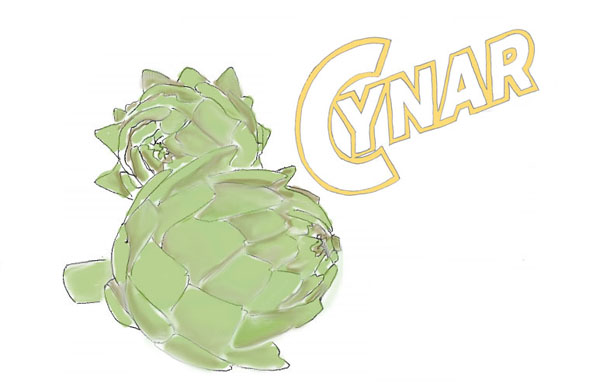
If you’ve never bothered to look at the beautiful label of a Cynar bottle, then you probably had no idea it’s largely derived from artichokes—and that’s where it gets its name (cynara scolymus). This savory aperitif merges 11 herbs with its namesake, and the result is a liqueur best described as, well, curious tasting. A bit softer-around-the-edges and more approachable than many of its Italian brethren, it bodes well with both dark and clear spirits, sometimes even replacing Campari for a variation on a negroni. Oh, and if you’ve been wondering, it’s pronounced chEE-nahr. Now get out there.
Illustrations by Lisa Ladehoff, Groupon
Cynar
If you’ve never bothered to look at the beautiful label of a Cynar bottle, then you probably had no idea it’s largely derived from artichokes—and that’s where it gets its name (cynara scolymus). This savory aperitif merges 11 herbs with its namesake, and the result is a liqueur best described as, well, curious tasting. A bit softer-around-the-edges and more approachable than many of its Italian brethren, it bodes well with both dark and clear spirits, sometimes even replacing Campari for a variation on a negroni. Oh, and if you’ve been wondering, it’s pronounced chEE-nahr. Now get out there.
Illustrations by Lisa Ladehoff, Groupon
Read about more components:
 |
 |
| These Lend a Refined Edge to Your Summer Cocktail | Fernet, Bonal, and Green Chartreuse |
BY:
Deals in chicago

Gardridge Wine & Beer Online Certification Courses
78% discount_off
$32.56 with_code TASTY
Gardridge
Master Wine Making and Pairing Course Bundle
25% discount_off
$11.96 with_code TASTY
IT University Online
Up to 48% Off Virtual Wine Tasting from PRP Wine International
35% discount_off
$97.39 with_code TASTY
PRP Wine International
Deals in chicago Other Deals in chicago

Sip, Savor, & Learn: Explore the World of Wine with our Home Sampling
77% discount_off
$60 with_code TASTY
PRP Wine International
Up to 79% Off on Online Wine / Beer Course at Peach Academy
79% discount_off
$28.09 with_code TASTY
Peach Academy
76% Off a Two-Hour In-Home Wine Tasting for 12 to 16 People
76% discount_off
$47.20 with_code TASTY
380+ bought
Wines for Humanity

